
The Ultimate Spring Plumbing Maintenance Checklist for East Texas Homeowners
How to Catch Hidden Plumbing Problems After Winter Before They Become Expensive Emergencies
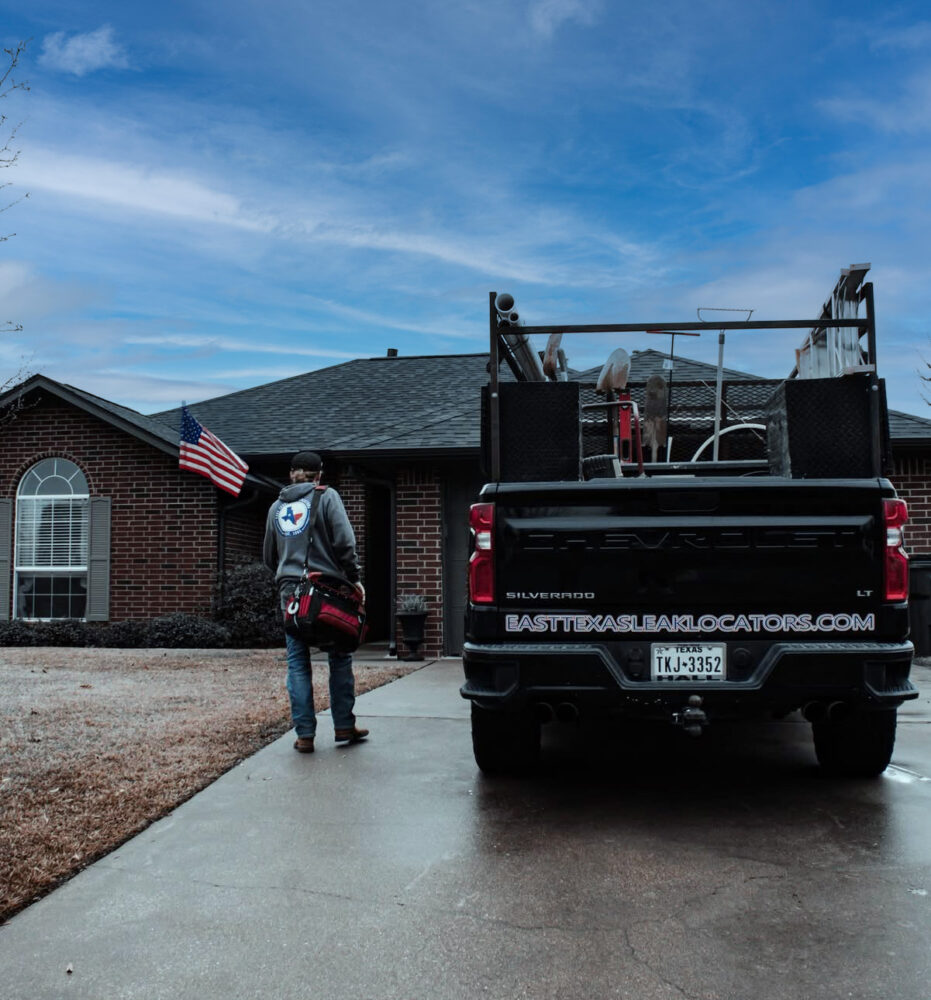
Winter in East Texas may be mild compared to the rest of the country, but it is not without consequences for your plumbing. Occasional hard freezes, fluctuating temperatures, and months of deferred maintenance add up in ways that are not always visible until spring arrives and the problems they created start to surface. The good news is that a systematic spring inspection catches most of these issues while they are still small and straightforward to fix. At East Texas Leak Locators and Plumbing Services, we have been serving residential and commercial customers across East Texas since 1986. We are built on transparent pricing, friendly service, and the kind of plumbing expertise that comes from decades of working in this specific region and its unique conditions. Whether you need a professional inspection or have an active leak that needs finding fast, we are the team East Texas homeowners have trusted for nearly four decades. Here is the spring checklist we recommend every homeowner work through before the season is in full swing.
Start Outside: Exterior Plumbing and Hose Bibs
The exterior of your home is where winter weather does its most direct plumbing work, and it is the right place to start your spring inspection.
Hose bibs and outdoor faucets are the first items to check. Even frost-free hose bibs can fail if the interior shutoff valve was not fully functional or if a hose was left attached during a freeze event. Turn each outdoor faucet on and check for full, consistent flow. A trickle or no flow may indicate a frozen or cracked section of pipe that thawed but did not fully recover. Check the faucet body and the wall behind it for any moisture staining that could indicate a past freeze crack that is now leaking behind the exterior wall.
Irrigation systems that were not properly winterized deserve close attention in spring. Walk the full zone coverage and look for heads that are not operating correctly, lines that appear to have shifted or heaved, and any visible wet spots in the yard that suggest a line failure. East Texas clay soils can move significantly through a wet winter, and irrigation lines installed at shallow depth are vulnerable to that movement.
Foundation perimeter drainage is worth checking in the context of your plumbing because poor drainage around the foundation creates the wet soil conditions that accelerate corrosion on underground supply lines and increase hydrostatic pressure on drain connections at the foundation level.
Indoor Fixtures: A Room-by-Room Walk-Through
Under every sink is a starting point that consistently reveals developing problems before they become water damage events. Open cabinet doors and look carefully at supply line connections, drain connections, and the area of the cabinet floor directly below the P-trap. Look for water staining, soft flooring material, or any white mineral deposit that indicates a past or slow ongoing drip. Pay particular attention to flexible braided supply lines that appear to be more than five to seven years old, as these have a finite service life and can fail without warning.
Toilets should be checked for running water that is audible between flushes, which indicates a flapper that is no longer seating properly and is allowing continuous water loss. A running toilet wastes significant water volume daily and increases water bills in ways that accumulate quietly. Also check the base of each toilet for any soft flooring or moisture that could indicate a wax ring failure.
Water heater inspection is one of the most important items on a spring maintenance checklist and one of the most skipped. Check the area around the base of the water heater for any rust staining or moisture. Check the pressure relief valve discharge pipe for signs of past discharge, which indicates the valve has been activating due to excessive pressure. If your water heater is approaching ten years of service, a professional assessment of its condition is worthwhile before it fails during the summer demand season.
Faucets and showerheads that have developed minor drips over the winter should be addressed now. The slow drip that seemed manageable when temperatures were cool accelerates in perception and in impact when outdoor temperatures rise and water bills climb. A dripping faucet is rarely a major repair but is consistently deferred longer than it should be.
Drain Performance: What Slow Drains Are Telling You
Every drain in your home that is running slower than it should be is telling you something, and spring is the right time to listen.
Slow drains in a single fixture typically indicate a localized clog in the fixture’s own drain line, which is usually a straightforward repair. Slow drains in multiple fixtures simultaneously, or slow drains accompanied by gurgling in other fixtures when water is running, indicate a problem further down the drain system, potentially in the main drain line.
East Texas properties in older neighborhoods frequently have drain systems that include cast iron sections, clay tile joints, or other older materials that accumulate buildup and are vulnerable to tree root intrusion over years of service. A main line that is partially obstructed by roots or buildup may handle normal winter use adequately but struggles as spring landscaping growth accelerates root intrusion and household water use increases.
If your drains were running slower than normal coming out of winter, scheduling a drain inspection before spring fully arrives prevents the kind of complete stoppage that turns into an emergency call rather than a scheduled service.
Leak Detection: The Problems You Cannot See
Some of the most costly plumbing problems that surface in spring were actually developing through winter but were not visible until water use increased, or until a slow drip finally reached a threshold that made it apparent.
Signs that a hidden leak may be present in your home include:
- Water bills that are higher than the same period in prior years without an obvious explanation
- Water meter movement when all fixtures are off and no water is being used
- Unexplained damp spots on walls, ceilings, or floors, particularly after rain events or after a period of dry weather
- The sound of water running when no fixture is in use
- Soft, discolored, or buckled flooring near plumbing fixtures or along exterior walls
Slab leaks are a particular concern in East Texas, where the soil movement common in our region puts stress on the supply lines embedded in concrete slabs over time. A slab leak can run for weeks or months before it becomes obvious at the surface, losing significant water volume and causing structural damage to the slab in the process. Our leak detection technology allows us to locate active leaks precisely before any excavation or repair work begins, which reduces both the cost and the disruption of the repair significantly.
Ready to Start Spring With a Plumbing System You Can Count On? Contact East Texas Leak Locators Today.
East Texas Leak Locators and Plumbing Services serves residential and commercial customers throughout East Texas with plumbing service, leak detection, and repair backed by nearly four decades of local experience. Contact us today to schedule your spring plumbing inspection and let our team catch any developing issues before they become costly emergencies.