
How Often Should You Replace a Water Heater Anode Rod?
A water heater anode rod should generally be inspected regularly and replaced when it becomes substantially depleted, often within about 3 to 5 years, depending on water quality, hot water usage, temperature, and whether the home has a water softener. Replacing a worn anode rod before it is completely consumed can help protect the steel tank from corrosion and extend the life of a tank-style water heater.
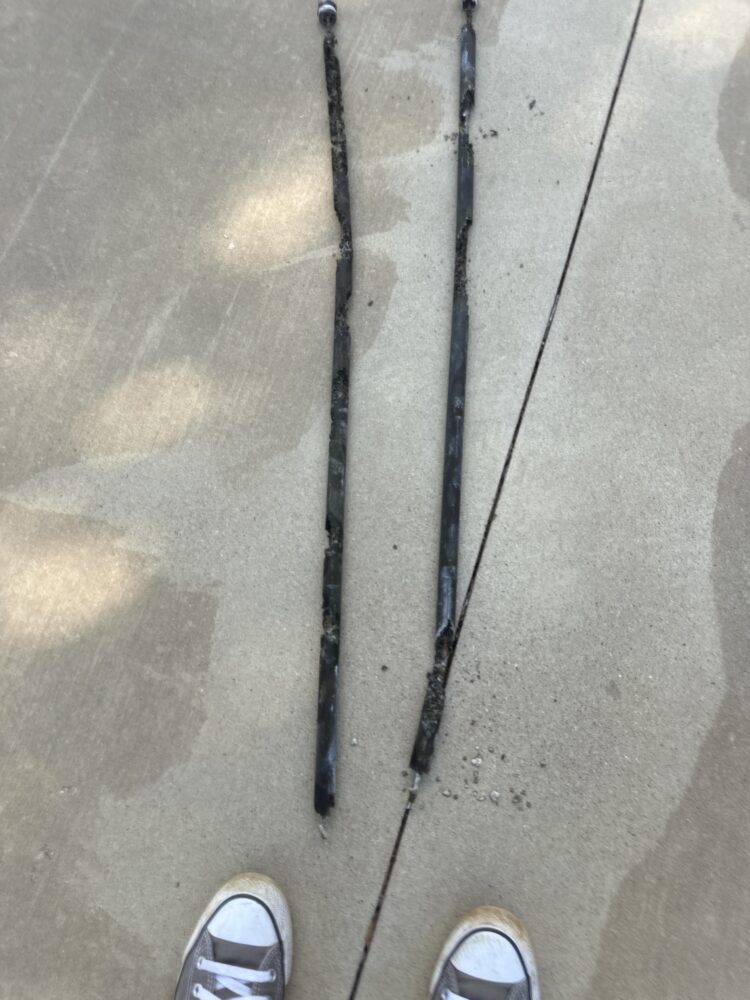
At East Texas Leak Locators, we know that some of the most important parts of your plumbing system are the ones you never see. The anode rod inside your water heater is a perfect example. Recently, our plumbers removed anode rods from a customer’s water heaters that were only three years old, and the amount of deterioration showed exactly why these components should not simply be forgotten. Regular water heater maintenance can uncover problems like this before corrosion has a chance to damage the tank itself. Our goal is to help homeowners understand what their plumbing equipment needs, identify problems early, and make informed decisions about repairs and maintenance.
Why Water Heater Anode Rod Replacement Matters
An anode rod is a sacrificial metal rod inside most traditional tank-style water heaters. Its job is to corrode so that the steel water heater tank does not.
A. O. Smith describes sacrificial anode rods as being made from materials such as aluminum, magnesium, or zinc. Because of the electrochemical process occurring inside the tank, the anode sacrifices itself to help protect the tank from corrosion.
Think of the anode rod as a replaceable layer of protection. Over time, the rod deteriorates. Eventually, there may not be enough sacrificial material left to adequately perform its job.
Once an anode rod becomes depleted, corrosion can begin attacking the water heater tank itself, eventually contributing to leaks and premature tank failure.
How Often Should an Anode Rod Be Checked?
Do not assume an anode rod is fine simply because your water heater is relatively new.
Inspection recommendations can vary by manufacturer and model. For example, A. O. Smith recommends annual anode rod inspection in its general maintenance guidance, while some manufacturer manuals call for inspection after the first six months and annually thereafter. Another A. O. Smith manual specifies inspection within a maximum of three years and annually afterward. Always follow the maintenance schedule for your particular water heater.
Several conditions can cause an anode rod to deteriorate faster, including:
- Water chemistry and conductivity
- High hot water usage
- Higher water temperatures
- Water softening
- Certain water quality conditions
Manufacturer guidance specifically notes that water softeners can accelerate anode rod depletion, meaning homes with softened water may require more frequent inspections.
Our own plumbing work demonstrates why inspections matter. We recently pulled anode rods from a customer’s water heaters that were only three years old, and they were already significantly deteriorated.
That is an important reminder: the age of the water heater alone does not tell you the condition of the anode rod.
How Can You Tell When an Anode Rod Needs Replacement?
The most reliable way to determine an anode rod’s condition is to remove and visually inspect it.
A new anode rod is relatively thick and covered with sacrificial material. As it does its job, that material gradually disappears, eventually exposing the rod’s internal support wire.
Manufacturer guidance lists signs of a depleted rod that can include:
- Most of the rod becoming less than 3/8 inch in diameter
- Significant portions of the internal support wire becoming visible
- Heavy deterioration or substantial depletion of the sacrificial material
If the rod has reached this point, replacement can restore an important layer of corrosion protection for the tank.
Homeowners may also notice rotten egg or sulfur-like odors from their hot water. Certain water conditions can cause reactions involving the anode rod and hydrogen sulfide, although an odor does not automatically mean the rod is simply worn out. Water quality or bacteria may also need to be investigated.
Can Replacing an Anode Rod Make a Water Heater Last Longer?
Yes. Replacing a depleted sacrificial anode rod can help extend the life of a tank-style water heater by continuing to protect the tank against corrosion.
A. O. Smith specifically states that replacing the rod before it is completely used up can add years to the water heater’s life.
That makes anode rod replacement an important preventive maintenance service. Instead of waiting until a corroded tank starts leaking, homeowners can have the rod inspected and replace it when necessary.
Once the steel tank itself has failed or developed a corrosion-related leak, replacing an anode rod will not repair the damaged tank. A cracked or failed tank will typically require water heater replacement.
Preventive maintenance is therefore most valuable before tank corrosion becomes severe.
Do Tankless Water Heaters Have Anode Rods?
Traditional tankless water heaters generally do not use the same sacrificial anode rod found inside conventional storage-tank water heaters.
The reason is simple. A conventional water heater continuously stores water inside a metal tank, so it requires protection against corrosion of that tank. A tankless unit heats water as it flows through the system instead of storing dozens of gallons in a steel tank.
Tankless systems still require maintenance, but their maintenance needs are different. Mineral buildup, water quality, filters, and heat exchanger maintenance may be more relevant depending on the unit and installation.
If you are unsure what type of water heater you have or what maintenance it requires, a professional plumber can inspect the system and recommend the appropriate service.
Water Heater Anode Rod FAQs
How long does a water heater anode rod last?
Many sacrificial anode rods last approximately 3 to 5 years, but there is no universal replacement interval. Water chemistry, usage, temperature, and water softening can all affect how quickly a rod deteriorates.
What happens if I never replace my anode rod?
Once a sacrificial anode rod is depleted, the steel tank becomes more vulnerable to corrosion. Manufacturer guidance warns that the tank can eventually develop a leak after the anode is depleted.
Should I replace an anode rod in a 10-year-old water heater?
It depends on the condition of both the rod and the tank. If the tank is already leaking or significantly corroded, replacing the entire water heater may make more sense. If the tank remains in good condition, a plumber can determine whether anode replacement is worthwhile.
Can a water softener affect my anode rod?
Yes. Manufacturer guidance states that softened water can accelerate anode rod depletion, so homeowners with water softeners may need more frequent anode inspections.
Protect Your Water Heater Before the Tank Starts Corroding
An anode rod is easy to forget because it sits hidden inside your water heater, but this relatively small component plays a major role in protecting the tank.
The three-year-old anode rods we recently removed are a great example of why water heater maintenance should be based on actual condition, not age alone.
If you do not know when your water heater’s anode rod was last inspected, East Texas Leak Locators can help. We can evaluate your water heater, check for maintenance concerns, and help you determine whether anode rod replacement, water heater repair, or another service is appropriate.
Ready to protect your water heater and potentially extend its service life? Contact East Texas Leak Locators to schedule water heater service today.