
Can a Small Water Leak Really Cause Major Damage to Your Home?
Yes, even a small water leak can cause major damage to your home if left undetected or unrepaired. A slow drip or hidden pipe leak can lead to mold growth, damaged flooring, weakened drywall, and costly structural repairs. The longer water escapes into areas where it doesn’t belong, the greater the potential for damage.
A dripping faucet or small damp spot might not seem like an emergency, but minor plumbing leaks can quickly become expensive problems. Water can travel behind walls, underneath flooring, and beneath concrete foundations, causing damage long before homeowners realize something is wrong.
At East Texas Leak Locators, we understand that protecting your home starts with identifying plumbing problems early. Our team specializes in professional leak detection and plumbing services, helping homeowners find hidden leaks and determine the best solution before minor issues turn into major repairs. Whether you’re noticing unexplained moisture, rising water bills, or signs of a possible slab leak, knowing what to watch for can help you protect your property and avoid unnecessary expenses.
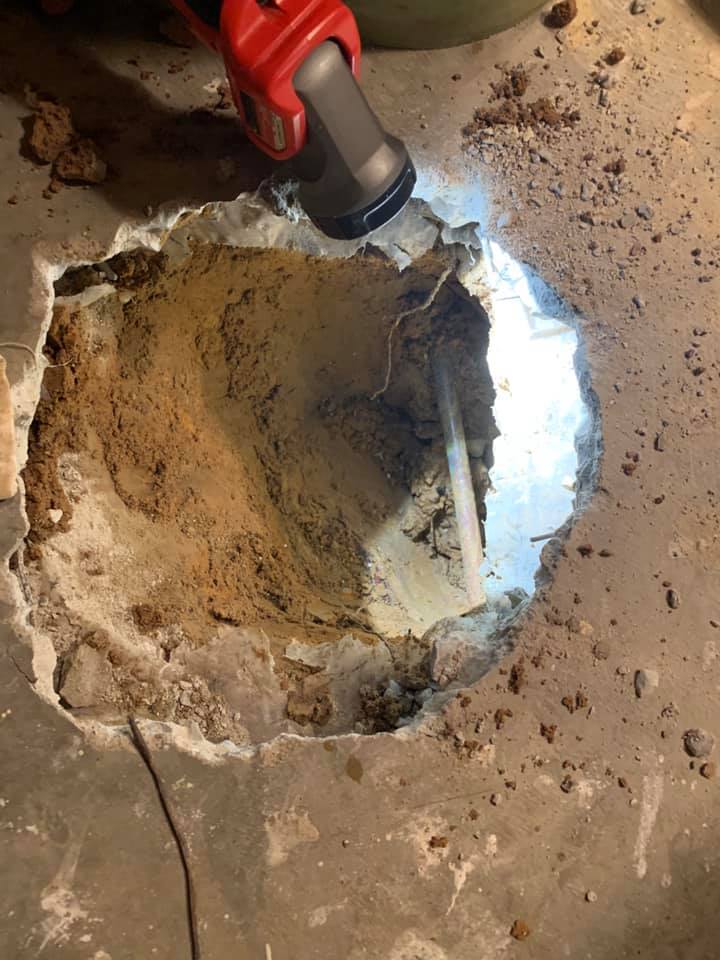
How Small Plumbing Leaks Lead to Expensive Water Damage
Small leaks can be especially dangerous because they often go unnoticed. Unlike a burst pipe that creates an obvious emergency, a slow plumbing leak may continue for weeks or months without visible warning signs.
Understanding how water damages your home can help you recognize why even minor leaks deserve attention.
1. How Can a Small Water Leak Cause Structural Damage?
A small water leak can weaken building materials over time by continuously exposing them to moisture. Even a slow drip can gradually damage drywall, wood framing, insulation, and flooring.
When water seeps into walls or beneath floors, it may remain trapped in areas that cannot dry properly. Over time, this moisture can cause materials to deteriorate.
Common types of structural and interior damage include:
- Damaged drywall: Moisture can soften drywall, cause stains, and lead to crumbling or sagging.
- Warped flooring: Hardwood, laminate, and certain subfloor materials may swell, buckle, or separate.
- Wood deterioration: Prolonged moisture exposure can contribute to wood rot and weakened framing.
- Damaged insulation: Wet insulation may lose effectiveness and require replacement.
- Foundation-related problems: Leaking pipes beneath a concrete slab can contribute to soil movement or moisture problems that may affect the foundation.
The severity of the damage depends on the leak’s location, how much water escapes, and how long the problem continues.
A leak hidden behind a wall or beneath your foundation can be particularly concerning because damage may develop before it becomes visible.
2. Can a Small Plumbing Leak Cause Mold Growth?
Yes, even a minor plumbing leak can create enough moisture for mold to grow when surrounding materials remain damp.
According to the U.S. Environmental Protection Agency (EPA), mold can begin growing on damp surfaces within 24 to 48 hours under favorable conditions.
This means a small leak beneath a sink, behind a bathroom wall, or near a water heater may create conditions for mold growth much sooner than homeowners expect.
Warning signs of moisture-related mold problems include:
- A persistent musty odor
- Dark spots or discoloration on walls and ceilings
- Peeling paint or bubbling wallpaper
- Damp cabinets or flooring
- Recurring moisture in areas that should remain dry
Mold can damage building materials and affect indoor air quality, particularly for individuals with allergies or respiratory sensitivities.
Repairing the plumbing leak is an essential first step. Depending on the extent of moisture exposure, additional drying or professional mold remediation may also be necessary.
3. How Much Water Can a Small Leak Waste?
A small plumbing leak can waste thousands of gallons of water over time, even when the leak seems insignificant.
According to the EPA’s WaterSense program, the average household’s leaks can account for nearly 10,000 gallons of wasted water every year.
To put that into perspective, consider a small leak that releases just one gallon of water every hour.
That adds up to:
- 24 gallons per day
- 720 gallons in 30 days
- 8,760 gallons in one year
While the amount may seem small at first, the wasted water can increase your utility bills and contribute to hidden property damage.
Not every leak is large enough to affect water pressure or create visible puddles. In fact, some underground plumbing leaks may go unnoticed until a homeowner receives an unusually high water bill.
If your water usage suddenly increases without an obvious explanation, a hidden plumbing leak could be responsible.
4. What Are the Warning Signs of a Hidden Water Leak?
Hidden water leaks often reveal themselves through changes in water usage, unusual moisture, or unexplained damage around your home.
Because many plumbing pipes are installed inside walls, beneath floors, or underground, you may not see the actual leak.
Watch for these common warning signs:
- Higher water bills: Unexpected increases in water usage may indicate water escaping from a pipe.
- Unexplained damp spots: Moisture on walls, ceilings, or floors can signal a concealed plumbing leak.
- Low water pressure: A significant supply line leak may reduce water pressure at your fixtures.
- Warm spots on flooring: An underground hot water line leak may create unusually warm areas on the floor.
- Sounds of running water: Hearing water when no fixtures are operating may indicate a leak.
- Wet areas in your yard: Unexplained soggy soil may point to a damaged underground water line.
One of the simplest ways to check for a possible leak is to turn off all water-using fixtures and appliances, then observe your water meter.
If the meter continues registering water usage, there may be a leak somewhere in your plumbing system. Some smaller leaks require a longer observation period to detect.
Professional plumbing leak detection can help identify the source when the problem isn’t visible.
5. Why Is Early Leak Detection So Important?
Early leak detection helps limit water damage, reduce unnecessary water waste, and prevent minor plumbing problems from becoming more expensive repairs.
A small leak may initially require a relatively straightforward plumbing repair. However, if the leak continues, homeowners may eventually need to replace damaged drywall, flooring, cabinets, or other building materials.
The Insurance Information Institute identifies water damage and freezing as significant causes of homeowners insurance claims. However, insurance coverage depends on the cause of the damage and the terms of the policy. Damage from long-term leaks may not be covered.
Addressing suspected leaks promptly can help reduce these risks.
Professional leak detection may involve specialized equipment and diagnostic methods to locate concealed plumbing problems without unnecessary demolition.
At East Texas Leak Locators, our goal is to help homeowners identify the source of a leak and understand their repair options.
Rather than ignoring a suspicious damp spot or repeatedly repairing visible damage, identifying the underlying plumbing problem helps prevent the same issue from returning.
Frequently Asked Questions About Small Water Leaks
Can a tiny water leak cause serious damage?
Yes. A tiny leak can cause significant damage when moisture accumulates inside walls, beneath flooring, or around structural materials over an extended period. The location and duration of the leak often matter as much as its size.
How long can a small water leak go unnoticed?
A small leak can remain hidden for weeks, months, or even longer, depending on its location. Changes in water bills, musty odors, and unexplained moisture may be the first noticeable warning signs.
Will a small plumbing leak get worse over time?
Not every leak worsens at the same rate, but damaged plumbing connections and deteriorating pipes can develop larger leaks. Even if the leak remains small, continued moisture exposure can increase property damage.
Should I call a plumber for a small water leak?
Yes, especially if the leak is hidden, recurring, or affecting walls, floors, or your foundation. Professional leak detection can help locate the problem and determine whether a plumbing repair is needed.
Don’t Let a Small Leak Turn Into a Major Plumbing Problem!
A small water leak might not seem urgent, but ignoring it can lead to damaged flooring, mold growth, higher water bills, and expensive repairs.
At East Texas Leak Locators, we help homeowners identify hidden plumbing leaks and take action before water damage becomes more extensive. From underground water line leaks to suspected slab leaks, our team provides professional leak detection and plumbing services designed to help protect your home.
The sooner you find a leak, the sooner you can stop the damage.
Contact East Texas Leak Locators today to schedule professional leak detection and get the answers you need to protect your home.