
Can Drought Conditions Cause Underground Pipes to Leak?
Yes. Drought conditions can contribute to underground pipe leaks by drying and shrinking the soil that supports buried water and sewer lines. As soil contracts, shifts, or develops voids, pipes can sag, crack, separate at joints, or move out of alignment. When rain returns and dry soil expands again, the additional movement can put even more stress on already weakened plumbing.
For homeowners in East Texas, underground plumbing problems can be especially difficult because the first signs of damage may appear long after soil movement begins. East Texas Leak Locators specializes in finding hidden plumbing leaks and determining where a problem is occurring before unnecessary repairs are made. With more than 30 years of service in East Texas, the company provides residential and commercial plumbing services with a particular focus on leak location and repair.
Understanding how drought affects buried plumbing can help you recognize trouble early and know when professional leak detection is needed.
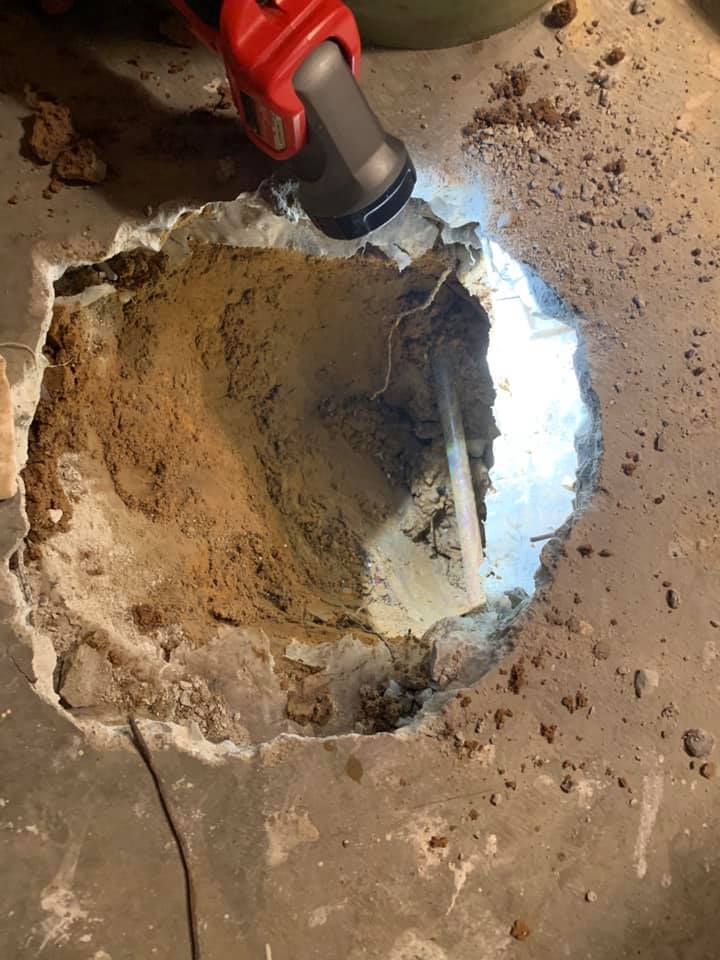
How Dry Soil and Drought Can Damage Underground Plumbing
Drought does not usually damage a pipe simply because the weather is hot. The bigger problem is what prolonged dry conditions can do to the soil surrounding and supporting the plumbing.
Texas experienced significant drought conditions during 2026. Texas A&M AgriLife reported that on March 24, 99% of Texas was experiencing some level of drought, although conditions improved considerably after spring rainfall. More recently, Drought.gov reported that inconsistent summer rainfall and high temperatures reduced soil moisture across parts of Texas and the Southern Plains.
Those changes in soil moisture matter because underground water and sewer lines depend on the surrounding ground for support.
Why Does Dry Soil Put Underground Pipes at Risk?
As moisture leaves certain soils, the ground can shrink, settle, and pull away from underground plumbing. That loss of support can place additional stress on pipes and connections.
The process may look something like this:
- Prolonged heat and limited rainfall dry the soil.
- The soil contracts or shifts as moisture levels fall.
- Gaps or uneven areas can develop around buried plumbing.
- Sections of pipe may lose consistent support.
- Pipes and joints experience bending, pulling, or shifting forces.
- Cracks, separated joints, leaks, or drainage problems may eventually develop.
The condition of the soil around a buried pipe is important to its structural support. Research presented by the National Clay Pipe Institute notes that changes and migration within supporting soils can affect buried pipelines, with some pipe failures attributed to soil migration.
The risk does not necessarily end when drought conditions improve. When significant rain returns, previously dry soil can absorb moisture and expand. This dry-to-wet cycle may introduce another round of ground movement.
What Are the Warning Signs of a Drought-Related Plumbing Leak?
An unexplained increase in water use, wet areas in an otherwise dry yard, foundation-related symptoms, or changes in water pressure can indicate an underground plumbing problem.
Homeowners should watch for:
- A water bill that suddenly increases without an obvious reason
- The sound of running water when fixtures are turned off
- Damp, soft, or unusually green areas in the yard
- Low or changing water pressure
- Cracks or settlement around the home that appear during prolonged dry weather
- Warm areas on flooring that could indicate a hot-water slab leak
- Musty odors or unexplained indoor moisture
- Repeated drain backups or slow drains
- Sewer odors around the house or yard
Not every one of these symptoms means drought has damaged a pipe. They are signs that further investigation may be worthwhile.
If you suspect a plumbing leak, avoid assuming where it is located based only on the visible symptom. Water can travel through soil, beneath a slab, or along building materials before it becomes noticeable.
Can Drought Cause a Slab Leak?
Drought-related soil movement can contribute to conditions that stress plumbing beneath a slab foundation.
When soil beneath or around a foundation loses moisture unevenly, different sections of the ground may move differently. Pipes located beneath the slab can be subjected to stress as the surrounding soil and foundation move.
This is one reason professional slab leak detection can be valuable. A leak beneath concrete is not always visible from inside the home, and determining its location before repair work begins can reduce unnecessary disruption.
East Texas Leak Locators provides slab leak locating and repair, water supply replacement, hot and cold water system repiping or rerouting, hydrostatic drain system testing, and other plumbing services.
What Should You Do If You Suspect an Underground Leak During a Drought?
Start by checking for unexplained water use, then schedule professional leak detection if the evidence points to a hidden plumbing problem.
A few practical steps can help:
- Check your water usage. A significant unexplained increase can be an early warning sign.
- Look around your property. Pay attention to wet spots, unusually healthy patches of grass, erosion, or sinking soil.
- Listen carefully. Running or hissing sounds when plumbing fixtures are off may indicate escaping water.
- Watch your drains. Recurring backups or slow drainage can sometimes indicate movement or damage in underground drain lines.
- Do not ignore small changes. A minor underground leak can continue wasting water and affecting the surrounding soil.
- Call a leak detection professional. Locating the problem is an important step before deciding how it should be repaired.
East Texas Leak Locators focuses specifically on leak location and repair, giving homeowners access to an experienced leak detection service when the source of a plumbing problem is not obvious.
Frequently Asked Questions About Drought and Underground Pipes
Can extremely dry weather break a water line?
Dry weather can contribute to water-line damage when moisture loss causes the surrounding soil to contract, settle, or shift. Pipes and joints already weakened by age, corrosion, previous movement, or installation conditions may be especially vulnerable.
Can underground pipes leak without water showing in the yard?
Yes. Water from an underground plumbing leak can move through the soil or remain beneath a slab without immediately creating a visible puddle. An unexplained water bill increase or continuous water use may be the first clue.
Can heavy rain after a drought cause plumbing problems?
It can contribute to them. After an extended dry period, changing soil moisture can cause additional soil movement. Pipes that were already stressed or shifted during drought may experience further movement as conditions change.
How do plumbers find a hidden underground water leak?
The exact method depends on the plumbing system and suspected leak. Professional plumbing leak detection can involve specialized testing and locating techniques designed to narrow down the source before repairs begin. East Texas Leak Locators specializes in leak location and repair for East Texas properties.
Protect Your East Texas Home From Hidden Plumbing Leaks
Drought can affect much more than lawns and landscaping. Changes in soil moisture can alter the support surrounding underground water lines, sewer lines, and plumbing beneath slab foundations. When pipes begin leaking underground, early detection can help homeowners address the problem before it becomes more extensive.
If you have noticed unexplained water use, wet areas, pressure changes, slab leak symptoms, or other signs of a hidden plumbing problem, East Texas Leak Locators can help locate the source and determine the appropriate next step.
Concerned that drought or shifting soil has damaged an underground pipe? Request service from East Texas Leak Locators today.